Writing at The Bawburgh School
Statement of Intent:
At The Bawburgh School, we aim to develop confident, fluent and purposeful writers who build stamina, independence and a genuine enjoyment of writing throughout their time at school. We want every child to become an independent writer who can draw upon a growing range of knowledge and skills and apply these effectively across different contexts.
Throughout each unit of writing, pupils are immersed in high-quality, rich texts and exposed to a wide range of genres, styles, purposes and audiences. This enables them to develop a secure understanding of how writers make deliberate choices to communicate meaning and create an intended effect.
We want our pupils to understand:
- the purpose and features of different text types;
- how writing skills and language choices can influence a reader’s thoughts, feelings and responses;
- how to select vocabulary carefully and deliberately to achieve a desired effect;
- how to plan, draft, evaluate, edit and improve their writing;
- how to apply their knowledge of spelling, grammar, punctuation and sentence structure accurately and effectively.
Our learners are encouraged to take risks, experiment with language and embrace mistakes as an important part of the learning process. We foster a culture in which pupils have high expectations of themselves, take pride in their work and strive to produce their best writing.
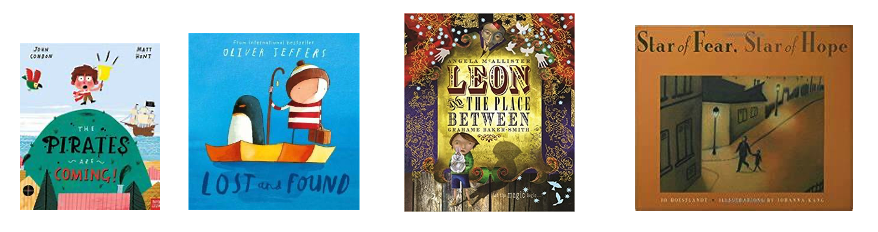
Rich and engaging texts are at the heart of our English curriculum. Through our strong relationship between reading and writing, we aim to nurture a love of reading and develop pupils’ understanding of how reading widely can inspire, inform and enhance their own writing.
Our Approach to English
At The Bawburgh School, we recognise the significant impact that a confident, fluent and coherent understanding of English has on pupils’ progress, both within and beyond the school environment.
We understand that a strong foundation in English supports pupils’ future learning, personal development and ability to communicate effectively throughout their lives.
We therefore:
- provide a broad and balanced English curriculum that develops reading, writing, speaking and listening, grammar, punctuation, spelling, handwriting, vocabulary and pronunciation;
- provide regular opportunities for pupils to write for a range of styles, purposes and audiences;
- explicitly teach the knowledge and skills required to become confident and proficient writers;
- ensure that writing skills are revisited and embedded through purposeful practice and application;
- provide opportunities for pupils to plan, draft, evaluate, edit, improve, redraft and publish their writing;
- ensure that all staff understand the expectations for planning, teaching, assessment and progression within the English curriculum;
- ensure that pupils develop the knowledge and skills set out in the National Curriculum for English;
- promote high expectations, independence and pride in all aspects of pupils’ work.

We follow a mastery approach to the teaching of English through the Pathways to Write programme. Units are built around high-quality texts, providing pupils with engaging contexts and varied opportunities to read, discuss and write.
The approach follows three key stages:
1. Gateway
The Gateway provides an opportunity to engage pupils with the context and key themes of the unit. It also provides teachers with an opportunity to assess pupils’ previously taught mastery skills.
2. Pathway
During the Pathway, the new mastery skills for the unit are explicitly introduced and taught. Pupils are provided with frequent opportunities to practise and apply these skills through a range of purposeful writing activities.
These activities provide regular opportunities for pupils to develop fluency, build confidence and demonstrate their understanding, while also providing ongoing evidence to support assessment.
3. Writeaway
The final stage, Writeaway, consists of at least four sessions and provides pupils with the opportunity to apply their learning in an extended piece of independent writing.
Throughout the writing process, pupils are encouraged to:
plan → write → check → edit → redraft → publish

We follow a mastery approach to the teaching of spelling through the Pathways to Spell programme.
Pathways to Spell is designed to support the delivery of the statutory spelling content of the Primary National Curriculum for English in Key Stages 1 and 2.
Through regular, explicit teaching of spelling objectives, alongside a consistent whole-school approach to word transcription, vocabulary development and proofreading, we aim to develop pupils as accurate, confident and proficient spellers.
Spelling is further reinforced through pupils’ wider reading and writing, enabling them to apply taught spelling patterns and vocabulary within meaningful contexts.
Working Walls
Working walls are an integral part of the learning process and provide pupils with a form of continuous provision that they can refer to throughout a unit of work.
Working walls should support pupils’ independence by clearly displaying the key knowledge, skills and vocabulary being taught. They should include:
- the key skills and learning objectives for the unit;
- clear explanations and definitions;
- relevant vocabulary;
- modelled examples;
- sentence structures and grammatical features where appropriate; and
- examples of high-quality writing.